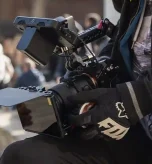

The camera is the central tool of any visual production, and the choice of system has implications that extend throughout the entire production and post-production process. Resolution, dynamic range, colour science, lens compatibility, operational ergonomics, and workflow integration all need to align with the specific demands of the project. Understanding these factors before committing to a camera package saves time, money, and creative frustration.
Dynamic Range and Exposure Latitude
Dynamic range refers to the camera’s ability to capture detail across the full brightness range of a scene, from deep shadows to bright highlights. Productions that include scenes with both dark interiors and bright windows, or exterior scenes in high-contrast sunlight, benefit enormously from cameras with wide exposure latitude. Limited dynamic range forces compromises in lighting or grading that constrain the final image quality.
Modern professional cinema cameras have made substantial advances in this area, with the best systems offering latitude that was only achievable with premium film stocks a generation ago. This expanded capability reduces the lighting effort required to create a well-exposed image and gives post-production more information to work with during the grading process.
Colour Science and Skin Tone Rendering
Colour science is perhaps the most subjective but ultimately most important characteristic of a professional camera system. The way different manufacturers render colour, particularly in skin tones across different complexions, determines the feel of the image and the ease of achieving desired looks in post. Systems with strong colour science produce images that look natural in the original capture and respond beautifully to grading.
Choosing for Your Production Type
Different productions prioritise different camera characteristics. Narrative features often prioritise image quality and aesthetic flexibility. Commercial productions may additionally prioritise operational speed and workflow simplicity. Documentary work emphasises adaptability to available light and unpredictable conditions. Understanding which characteristics matter most for the type of work you do guides the selection process more effectively than chasing specifications on paper.
Rental houses carrying professional systems such as the sony venice camera can provide invaluable guidance on which systems are best suited to a specific project’s requirements, and booking a camera test before principal photography begins confirms that the system meets expectations in practice before the production is committed.
Lens Ecosystem and Production Flexibility
The choice of camera system is closely tied to the available lens ecosystem, which can significantly influence both the visual style and practical workflow of a production. Different mounts support different ranges of lenses, including modern cinema primes, vintage glass, and high-end zooms, each offering distinct optical characteristics.
A strong lens ecosystem allows filmmakers to adapt creatively without being restricted by compatibility issues or excessive adapter use. Flexibility becomes especially important in fast-paced productions where lighting conditions, shot requirements, and locations can change quickly.
Workflow Integration and Post-Production Efficiency
Modern camera systems are designed not only for image capture but also for seamless integration into post-production workflows. Features such as efficient codec options, reliable metadata recording, and consistent colour profiles make it easier for editing and colour grading teams to work with footage without unnecessary conversion or quality loss.
Choosing a system that aligns with your post-production pipeline can significantly reduce turnaround times. It is also important to consider storage requirements and data management during production. High-resolution formats generate large amounts of data that must be backed up, organized, and transferred efficiently on set.