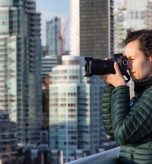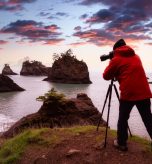

Travel photography has unique demands that go far beyond everyday shooting. When you travel, you often face changing lighting conditions, unpredictable weather, and limited time at each location. Unlike studio or casual photography, travel shooting requires flexibility, mobility, and speed. This is why mirrorless cameras have quickly become the preferred choice for modern travelers. Their lightweight bodies, advanced autofocus systems, and compact lenses make them ideal companions on long trips. Many travelers also appreciate how mirrorless systems allow them to carry professional-level performance without the bulk of traditional gear. In this guide, you will learn how to choose the right mirrorless travel camera based on your shooting style, budget, and long-term photography goals.
Defining Your Travel Photography Style First
Before selecting a camera, it is important to understand how you plan to use it. Your destination type plays a major role in determining your ideal camera features. For example, landscape photographers often prioritize dynamic range and weather sealing, while street photographers value compactness and silent shooting modes. Adventure travelers, on the other hand, need durable gear that performs well in extreme environments. Another important factor is whether you want simple travel memories or a professional storytelling tool. Some travelers prefer quick snapshots, while others aim to create detailed photo narratives. Your style directly influences sensor size, lens choice, and portability requirements.
What Makes a Mirrorless Travel Camera Different
A mirrorless travel camera stands apart from standard models because it prioritizes mobility without sacrificing performance. These cameras eliminate the bulky mirror mechanism found in DSLRs, making them smaller and lighter. This design also allows for faster shooting speeds and advanced electronic viewfinders. Travel-focused mirrorless cameras often include weather sealing, improved battery efficiency, and enhanced image stabilization. These features ensure reliable performance in unpredictable travel conditions. The key challenge is finding a balance between power, size, and convenience so that your camera enhances your journey rather than becoming a burden.
Essential Features to Prioritize in a Mirrorless Travel Camera
Portability and Weight Efficiency
Travel often involves long walks, crowded transport, and limited storage space. A lightweight camera reduces fatigue and encourages frequent use. Cameras that weigh under one kilogram with a lens are usually ideal for travelers. However, compact size should not compromise handling comfort. A camera that is too small may feel unstable during long shooting sessions. The best approach is to test how the camera feels in your hands before purchasing.
Battery Life for Long Travel Days
Battery performance becomes critical when traveling in remote areas. You may not always have access to charging points. Cameras that support USB charging offer significant advantages because they can be powered using portable power banks. Carrying spare batteries is also essential, especially for long sightseeing days. Reliable battery life allows you to shoot confidently without worrying about missing important moments.
Image Stabilization for Handheld Shooting
Travel photography often requires handheld shooting in challenging lighting conditions. Image stabilization helps reduce blur caused by camera shake. In-body stabilization systems are particularly useful because they work with all lenses. This feature is invaluable for night scenes, indoor environments, and fast-moving travel situations. It allows you to capture sharp images even without a tripod.
Connectivity for On-the-Go Sharing
Modern travelers value quick photo sharing. Built-in Wi-Fi and Bluetooth connectivity make it easy to transfer images directly to smartphones. Many mirrorless cameras also offer mobile apps for remote control shooting. This feature is especially useful for group travel photos and creative compositions. Instant sharing capabilities enhance the overall travel photography experience.
Sensor Size Considerations for Travel Photography
Sensor size significantly affects image quality, camera weight, and cost. APS-C sensors offer a balanced combination of performance and portability, making them popular among travelers. Full-frame sensors provide superior low-light performance and dynamic range but are typically heavier and more expensive. For most travelers, APS-C cameras deliver excellent image quality while maintaining a manageable size. Choosing the right sensor depends on your travel priorities and shooting conditions.
Lens Flexibility and Travel Versatility
Best All-in-One Travel Lenses
Zoom lenses with versatile focal ranges are ideal for travel photography. They allow you to capture wide landscapes and distant subjects without changing lenses frequently. This reduces the risk of dust entering the camera and simplifies shooting. However, all-in-one lenses may not deliver the same sharpness as specialized lenses.
Prime Lenses for Lightweight Travel Kits
Prime lenses are compact and lightweight, making them excellent choices for minimal travel setups. They often provide superior image quality and better low-light performance. Many travel photographers carry a single prime lens to maintain simplicity and mobility during their journeys.
Planning a Travel Lens Kit
A well-planned lens kit should balance versatility and portability. Carrying too many lenses can slow you down and reduce shooting enjoyment. Most travelers benefit from one versatile zoom lens and one compact prime lens for specific scenarios.
Durability and Reliability for Travel Conditions
Travel photography often exposes gear to dust, moisture, and temperature changes. Cameras with weather sealing provide added protection in harsh environments. Durable build quality ensures your camera withstands frequent handling and transportation. Investing in reliable equipment reduces the risk of technical failures during important travel moments.
Mirrorless Cameras for Different Types of Travelers
Different travelers have different needs. Backpackers often prefer ultra-compact mirrorless cameras to save space. Urban travelers benefit from cameras with fast autofocus and silent shooting modes. Adventure photographers need rugged designs with strong stabilization systems. Content creators often choose hybrid cameras that perform equally well for photos and videos.
Budget Planning for a Travel Mirrorless Camera
Budget planning should include more than just the camera body. Lenses, accessories, and storage devices can significantly increase overall costs. Beginners should avoid overspending on features they may not fully utilize. A balanced approach involves selecting a camera that meets current needs while allowing room for future upgrades.
Comparing Mirrorless Travel Cameras with Smartphones and DSLRs
Mirrorless cameras offer superior image quality and creative control compared to smartphones. They also provide interchangeable lenses for diverse shooting scenarios. Compared to DSLRs, mirrorless systems are more compact and technologically advanced. However, smartphones remain convenient for quick snapshots and social media sharing. Understanding these differences helps travelers set realistic expectations.
Recommended Mirrorless Travel Cameras by Category
Popular travel camera options include entry-level models like those from Sony, which offer excellent autofocus and portability. Mid-range cameras from Canon provide user-friendly controls and reliable performance. Durable travel-ready systems from Nikon are known for robust build quality. Each category serves different traveler needs depending on experience level and budget.
Must-Have Accessories for Travel Photography
Essential accessories enhance both convenience and safety. A lightweight tripod helps capture stable images in low light. Extra memory cards ensure you never run out of storage. Protective camera bags prevent damage during transit. Investing in practical accessories improves overall travel photography efficiency.
Common Mistakes Travelers Make When Choosing Cameras
Many travelers focus too much on technical specifications instead of usability. Others carry excessive gear that becomes difficult to manage. Ignoring battery and storage requirements can lead to missed opportunities. Selecting a camera without testing ergonomics often results in discomfort during long shooting sessions.
Practical Tips for Traveling with a Mirrorless Camera
Packing and Carrying Strategies
Proper packing protects your camera from physical damage. Padded camera bags with weather resistance are highly recommended. Keeping your gear organized ensures quick access during travel.
Shooting Efficiently While Traveling
Planning your shots in advance helps maximize the limited time at each location. Understanding lighting conditions improves image quality. Practicing quick camera settings adjustments ensures you capture fleeting moments effectively.
Managing Storage and Backup
Regularly backing up photos prevents data loss. Portable hard drives or cloud storage options provide reliable solutions. Managing storage carefully ensures uninterrupted shooting throughout your trip.
Long-Term Considerations for Travel Photographers
Choosing a camera system with strong lens availability ensures long-term flexibility. Upgrade potential is important as your skills develop. Considering resale value also helps protect your investment. A future-focused approach ensures your gear remains relevant for years.
Conclusion
Choosing the right mirrorless travel camera requires balancing portability, performance, and practicality. Understanding your travel style, budget, and long-term goals is essential. A well-chosen camera enhances your ability to capture meaningful travel memories while remaining easy to carry. Ultimately, the best travel camera is one that supports your creativity without slowing down your journey.