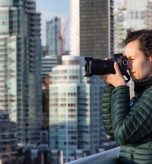

Travel photography is not simply about pointing a camera at famous landmarks. Anyone can take a quick snapshot, but meaningful travel photos tell a story by capturing atmosphere, emotion, and context. The difference lies in intention because a snapshot records what you saw, while a strong travel photograph shows how it felt to be there. For beginners, this distinction often becomes clear only after reviewing their photos and realizing their images look flat or forgettable. This usually happens because they focused on documenting locations instead of interpreting them. Travel photography also serves as a powerful memory tool since images can preserve experiences long after details fade, helping you relive moments, share stories, and build a personal visual archive. However, beginners face common challenges such as struggling with lighting, composition, or camera settings, and many feel overwhelmed by the variety of gear and techniques available today. This guide provides clarity by focusing on practical strategies that help beginners take stronger travel photos without feeling overwhelmed.
Understanding the Foundations of Travel Photography
Great travel photography begins with observation because expensive equipment cannot replace a trained eye. Before raising your camera, it helps to study your surroundings and notice patterns, colors, movement, and light direction. Often, the best shots come from patience rather than speed, since light plays a central role in shaping mood and clarity. Early morning and late afternoon produce softer, warmer tones, while midday sunlight can create harsh shadows and strong contrasts. Timing also matters because crowded locations can become visually chaotic, and waiting a few minutes can transform a scene completely. Beginners benefit from thinking like storytellers instead of tourists by including surrounding life in their photos rather than isolating landmarks. Preparation is equally important because researching destinations before traveling allows you to identify interesting viewpoints and plan your shooting schedule effectively.
Choosing the Right Equipment Without Overspending
Camera Options for Beginners
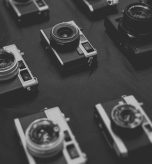
Many beginners assume they need expensive cameras, but modern smartphones can produce excellent travel photos when used thoughtfully. Smartphones offer portability and convenience, making them ideal for spontaneous shooting, although they have limitations in low-light conditions and manual control. Mirrorless cameras provide a strong balance between quality and portability, offering creative flexibility without excessive weight. DSLR cameras still deliver excellent performance but can feel bulky and intimidating for first-time users. Upgrading gear becomes worthwhile only when you clearly understand your needs, such as frequent low-light shooting or capturing fast-moving subjects.
Essential Accessories That Make a Real Difference
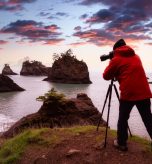
Accessories often have a greater impact than beginners expect because small tools can significantly improve shooting consistency. A lightweight tripod helps stabilize the camera, especially in low-light conditions or for landscape photography. Extra batteries and memory cards are essential since running out of power during travel can be frustrating and prevent capturing important moments. Basic versatile lenses also matter because they allow flexibility without requiring constant equipment changes.
Planning Your Shots Before You Even Travel
Planning significantly improves travel photography results because preparation reduces guesswork and increases efficiency. Researching destinations visually helps you understand lighting conditions, popular viewpoints, and unique angles. Online maps and photography platforms can reveal when sunlight hits certain landmarks, allowing you to capture more dramatic images. Weather patterns also influence photography because overcast skies can create soft lighting for portraits, while clear skies enhance vibrant landscapes. Preparing a flexible shot list helps beginners stay focused and approach each location with clear goals instead of wandering randomly.
Mastering Composition Techniques for Stronger Images
Framing and Perspective Techniques
Composition determines how viewers experience a photo because it shapes visual flow and emotional impact. The rule of thirds helps create balance by positioning key elements away from the center. Leading lines guide the viewer’s eye through the frame and can add depth using roads, rivers, or architectural lines. Including foreground elements creates visual layers and makes images feel more immersive and dimensional.
Creating Visual Stories Through Composition
Strong travel photos tell stories rather than simply displaying subjects because storytelling engages viewers emotionally. Capturing surrounding details provides context and makes scenes more meaningful. Human elements add scale and emotional depth even when figures appear small within the frame. Sequences of images can build narratives by documenting environments from wide shots to close-ups, creating a visual storyline.
Working with Natural Light in Different Environments
Light determines mood more than any other factor in travel photography because it influences color, texture, and clarity. Golden hour provides soft, warm lighting that enhances landscapes and portraits, while blue hour offers cool tones ideal for cityscapes. Harsh midday sunlight can create strong contrasts, but beginners can manage this by using shade creatively or capturing silhouettes. Indoor and low-light situations require careful adjustments, such as increasing ISO or stabilizing the camera to maintain image quality.
Capturing Authentic Travel Moments
Authenticity distinguishes memorable travel photography because real-life moments often feel more compelling than staged scenes. Instead of focusing only on iconic landmarks, exploring everyday life such as markets, streets, and local interactions provides richer storytelling opportunities. Patience plays a critical role because waiting allows natural scenes to unfold organically. Respect for local cultures is essential, especially when photographing people, and seeking permission demonstrates professionalism and cultural awareness.
Practical Camera Settings Beginners Should Learn
Understanding Exposure Basics
Exposure involves three main elements: aperture, shutter speed, and ISO, which work together to determine brightness and style. Aperture controls depth of field, allowing backgrounds to blur or remain sharp. Shutter speed determines whether motion appears frozen or blurred, while ISO adjusts light sensitivity but may introduce noise at high levels.
Simplifying Settings for Real-World Travel
Beginners do not need to use full manual mode immediately because semi-automatic settings offer a practical balance between control and simplicity. Quick adjustments are essential when lighting conditions change rapidly during travel. Avoiding common mistakes such as incorrect white balance or excessive ISO helps maintain image quality and consistency.
Photographing Landscapes, Cities, and People
Different subjects require different approaches because each environment presents unique visual challenges. Landscapes benefit from wide compositions and careful horizon placement, while city photography emphasizes lines, patterns, and movement. Portrait photography requires sensitivity and communication to capture genuine expressions. Creating variety within a single location by combining wide shots, details, and candid moments keeps travel photo collections visually engaging.
Managing Challenges While Shooting on the Move
Travel photography often involves unpredictable conditions, including limited time and crowded locations. Quick decision-making becomes an essential skill because opportunities may disappear quickly. Creative framing can help reduce distractions in busy environments. Protecting equipment from weather and environmental risks is equally important, and flexibility allows photographers to adapt to unexpected situations that often lead to unique photographic opportunities.
Editing Travel Photos for a Professional Look
Basic Editing Principles for Beginners
Editing enhances photos by improving exposure, contrast, and color balance, but it should remain subtle to preserve authenticity. Overprocessing can make images look unnatural, so maintaining realistic tones helps retain the original atmosphere of a scene.
Building a Consistent Visual Style
Consistency strengthens visual storytelling because similar tones and editing approaches create a recognizable style. Presets can save time but should be used carefully to avoid making all images look identical. Developing a personal editing approach helps beginners establish a unique visual identity.
Organizing and Storing Your Travel Photography
Proper organization prevents data loss and simplifies workflow because structured storage systems improve efficiency. Creating folders based on locations or dates makes images easier to access later. Backing up photos during travel protects against unexpected issues, while clear naming systems simplify long-term management.
Developing Confidence and Personal Style
Confidence grows through consistent practice because beginners gradually develop technical and creative skills. Many start by imitating other photographers, but experimenting with different techniques helps build originality. Feedback from peers accelerates learning, and exploring personal interests leads to more authentic photography.
Learning from Others and Improving Faster
Studying professional photographers provides inspiration and helps beginners understand advanced techniques. Online communities offer opportunities for feedback, collaboration, and learning. Participating in photography challenges encourages creativity and helps track progress over time.
Common Beginner Mistakes in Travel Photography
Many beginners focus too much on equipment instead of skills, which limits improvement. Ignoring lighting conditions often results in poor image quality. Overshooting without intention creates unnecessary clutter, and excessive editing reduces authenticity and visual impact.
The Future of Travel Photography for Beginners
Technology continues to make photography more accessible because smartphones now offer advanced capabilities that rival traditional cameras. AI tools simplify editing and organization, while new storytelling formats are reshaping visual communication. These trends make it easier than ever for beginners to develop photography skills.
FAQs
1. What is the best camera for travel photography beginners?
The best camera is one you can use comfortably and consistently. Smartphones work well initially, while mirrorless cameras offer better control and quality once beginners gain confidence.
2. How can beginners improve travel photography quickly?
Beginners can improve by practicing observation, learning lighting basics, mastering composition techniques, and reviewing their photos regularly to identify mistakes and refine their visual decision-making skills.
3. Is expensive gear necessary for good travel photos?
No, strong composition, proper lighting awareness, and timing matter far more than expensive equipment. Many outstanding travel images are captured using basic cameras or smartphones.