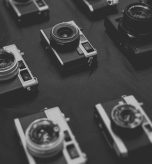

Choosing your first camera is one of the most important decisions in your photography journey because it directly influences how quickly you learn, how confident you feel while shooting, and how motivated you remain over time. Many beginners make the mistake of buying cameras that are either too advanced or too limited, which leads to frustration instead of progress. The ideal beginner camera strikes a balance between usability, essential features, and long-term learning potential without overwhelming the user. This guide will help you understand what truly matters when selecting the best beginner camera so you can invest wisely and focus more on developing your photography skills rather than struggling with complex equipment.
Understanding Your Photography Goals Before Buying
Before selecting a camera, it is essential to clarify your primary photography goals because different interests require different capabilities. For example, someone interested in travel photography may prioritize portability and battery life, while a beginner focusing on portraits might care more about lens compatibility and background blur performance. Understanding whether you want to shoot casually, create content, or develop professional skills helps you avoid buying unnecessary advanced features that add cost but provide little practical value early on. Defining both short-term learning needs and long-term growth potential ensures your camera supports your development without forcing premature upgrades.
Types of Cameras Suitable for Beginners
There are three main categories of cameras that suit beginners, each with distinct advantages. DSLR cameras are known for their durability, optical viewfinders, and strong manual control options, making them excellent for learning technical photography fundamentals, although they are usually larger and heavier. Mirrorless cameras offer compact design, advanced autofocus systems, and modern interfaces that are beginner-friendly while also being future-ready for skill growth. Compact and bridge cameras provide simplicity and portability with fixed lenses, which can be ideal for casual learners but may limit creative flexibility compared to interchangeable lens systems.
Essential Features Every Beginner Should Prioritize
When selecting a beginner camera, it is more important to focus on usability and practical features rather than high-end specifications. Sensor size plays a significant role in image quality, especially in low light conditions, while intuitive manual controls help beginners learn exposure concepts faster. Reliable autofocus ensures sharp images and reduces frustration during early practice. Video capability is also increasingly relevant for beginners who want to explore hybrid photography and content creation. Battery life and storage capacity should not be overlooked because they directly affect how comfortably you can practice during longer shooting sessions.
Lens Considerations for Beginner Photography
Lenses are often more important than the camera body itself because they directly influence image style and versatility. Kit lenses are typically the best starting point because they offer flexibility across multiple shooting scenarios such as portraits, landscapes, and everyday photography. They allow beginners to experiment without additional investment. However, as skills improve, upgrading to specialized lenses can significantly enhance image quality and creative control. Recognizing when you have outgrown your kit lens helps ensure that upgrades are made strategically rather than impulsively.
Budget Planning for Your First Camera Setup
Budget planning is critical because beginners often underestimate the total cost of a camera system. Beyond the camera body, you must consider lenses, memory cards, protective gear, and accessories. A realistic budget should balance affordability with long-term value, ensuring the camera remains useful for several years rather than requiring quick replacement. Avoid overspending on advanced features that you may not use initially because investing in skill development is more beneficial than investing heavily in equipment at the early stage.
Ergonomics and Ease of Use
Ergonomics play a major role in how comfortable you feel while using your camera. A well-designed camera with intuitive menus, accessible controls, and comfortable grip reduces learning barriers and encourages frequent practice. Touchscreen functionality, clear button layout, and simple navigation often matter more than technical specifications because they make the shooting experience smoother and less intimidating for beginners.
Comparing Photography vs Content Creation Needs
Modern beginners often combine photography with content creation, which means their camera must support both still images and video recording. Cameras designed for photography typically prioritize image quality and manual control, while creator-focused models emphasize video stabilization, screen flexibility, and connectivity. Hybrid cameras provide a balanced solution for users who want to explore both areas without compromising performance.
Understanding Image Quality Factors Beyond Megapixels
Many beginners assume that higher megapixel counts guarantee better image quality, but this is a common misconception. Factors such as sensor technology, dynamic range, low-light performance, and color processing play a much more significant role in producing visually appealing photographs. Understanding these elements helps beginners focus on meaningful specifications instead of marketing numbers.
Connectivity and Smart Features for Beginners
Modern cameras offer connectivity options such as Wi-Fi and Bluetooth that simplify file transfer and remote shooting. These features are particularly useful for beginners who want to review images quickly, share their work easily, and control their cameras through mobile apps. Smart features enhance convenience without interfering with the learning process.
Accessories That Enhance Beginner Camera Experience
Essential accessories can significantly improve the beginner photography experience by supporting stability, storage, and equipment protection. Tripods enable sharper images in low light conditions, while extra memory cards and batteries ensure uninterrupted shooting sessions. Protective gear helps maintain equipment durability and reduces long-term maintenance costs.
Common Mistakes Beginners Make When Choosing Cameras
One of the most common mistakes beginners make is purchasing cameras based solely on brand reputation or technical specifications without considering usability. Another frequent error is ignoring the lens ecosystem, which limits future upgrade options. Many beginners also choose overly complex cameras that slow down learning instead of supporting skill development.
Long-Term Considerations Before Making a Purchase
Thinking long term helps ensure that your first camera remains relevant as your skills grow. A system with a strong lens ecosystem, reliable brand support, and good resale value provides flexibility for future upgrades. Balancing present needs with long-term growth potential prevents unnecessary spending and encourages continuous development.
Tips for Testing a Camera Before Buying
Testing a camera in real conditions is one of the best ways to ensure it meets your needs. Handling the camera allows you to evaluate comfort, button placement, and responsiveness. Testing autofocus performance, low-light capability, and image quality provides practical insight that specifications alone cannot offer.
Building Confidence After Choosing Your First Camera
Once you have selected your beginner camera, focus on learning core photography skills such as exposure control, composition, and lighting. Practicing consistently and experimenting with manual settings builds confidence faster than relying entirely on automatic modes. The camera should serve as a learning tool rather than a barrier to creativity.
Conclusion
Selecting the right beginner camera requires balancing usability, budget, and long-term learning potential rather than chasing advanced specifications. A thoughtful decision allows you to focus on practicing photography fundamentals, developing creative vision, and building confidence through consistent shooting. Ultimately, the best beginner camera is the one that supports learning, encourages experimentation, and remains relevant as your skills continue to grow.