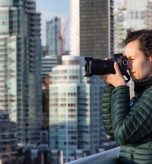

Urban landscape photography is more than pointing a camera at buildings. Cityscapes tell stories of culture, architecture, and human life. Capturing the essence of streets, plazas, and skylines allows you to preserve the energy and character of a city. Beginners often struggle with perspective distortion, scale issues, or challenging lighting, especially when photographing tall structures or busy streets. This guide provides practical techniques to overcome these challenges, equipping you to capture compelling urban landscapes with clarity, depth, and artistic intent.
Understanding Urban Landscape Photography Fundamentals
Success in urban photography relies on observing light, shadow, and contrast. Buildings interact with sunlight differently throughout the day, creating dynamic moods. Structural lines, symmetry, and patterns in architecture help compose balanced images, while incorporating human activity adds scale and context. Planning shots ahead is vital, but flexibility is equally important; spontaneous moments—like a pedestrian crossing a plaza or sunlight reflecting off a glass facade—often make for the most striking images. Cultivating patience and observational skills transforms routine city scenes into powerful photographs.
Essential Gear for Urban Architecture Photography
Camera and Lens Options
Choosing the right camera affects both convenience and image quality. Mirrorless cameras are compact, fast, and versatile, making them ideal for street and architectural photography. DSLRs deliver exceptional image quality and lens flexibility but can be cumbersome. Advanced smartphones now provide impressive dynamic range and stabilization, perfect for beginners exploring cityscapes. Lens selection is equally important. Wide-angle lenses capture entire buildings or streetscapes, while telephoto lenses isolate architectural details or compress perspectives. Portability and discretion are key for shooting in crowded urban environments.
Accessories for Enhanced Urban Shots
Tripods and monopods ensure sharper images, especially in low-light or night photography. Polarizing filters reduce reflections on glass and water, while neutral density (ND) filters help manage exposure during bright daylight. Extra batteries and memory cards prevent interruptions in active shooting sessions. Protective gear, including camera bags or lens caps, safeguards your equipment in busy or unpredictable urban environments. Investing in practical accessories ensures you focus on creativity rather than technical issues.
Planning Your Urban Photography Sessions
Preparation improves both efficiency and creativity. Research iconic architecture, hidden streets, and rooftop viewpoints. Study city lighting patterns to know when golden hour, blue hour, or night lights will enhance your shots. Mapping locations reduces wasted time and energy, allowing you to capture more varied angles. Seasonality and weather conditions influence mood and shadows, so understanding their impact is essential. Flexible planning ensures you can adapt when unforeseen opportunities or unique moments arise.
Composition Techniques for Strong Urban Images
Geometry, Lines, and Perspective
Urban architecture offers natural geometry to structure images. Leading lines guide viewers’ eyes, while symmetry or repetition creates rhythm. Frames like archways, staircases, or windows help isolate subjects and add depth. Wide-angle lenses risk distortion, so be mindful of vertical lines and horizon placement. Learning to manipulate perspective turns ordinary structures into visually engaging compositions.
Including Context and Movement
Human activity and motion bring life to urban landscapes. Pedestrians, vehicles, and crowds provide scale and narrative context. Motion blur techniques can convey energy, such as streaks of traffic lights or flowing pedestrian movement. Including context not only enhances storytelling but also transforms static architecture into dynamic urban environments.
Working with Light in Urban Landscapes
Light is the defining element of any photograph. Natural sunlight illuminates streets and facades differently throughout the day, creating highlights and shadows that shape depth. Artificial lighting—street lamps, neon signs, or illuminated buildings—adds drama at night. Reflections in glass, puddles, or metal surfaces can create symmetry or visual interest. High-contrast scenes require careful exposure balancing to retain details in both shadows and highlights. Observing and adapting to light conditions maximizes impact and mood.
Shooting Different Urban Scenes
Every type of urban landscape presents unique challenges. Skyscrapers demand attention to perspective and horizon alignment. Historic buildings require careful framing to capture intricate details. Public squares, streets, and parks offer candid, lifestyle-rich scenes. Bridges, tunnels, and waterfronts provide dramatic compositions, while rooftops or elevated viewpoints reveal unseen city perspectives. Understanding each environment allows beginners to adjust techniques, camera settings, and creative approaches accordingly.
Camera Settings Every Beginner Should Know
Aperture, Shutter Speed, and ISO
Aperture controls depth of field. Wide apertures isolate subjects, while smaller apertures keep streetscapes sharp from foreground to background. Shutter speed affects motion: slow speeds capture flowing traffic or clouds, while fast speeds freeze action. ISO adjusts light sensitivity, with lower ISO reducing noise in bright scenes and higher ISO enabling low-light photography. Mastering these settings ensures technical consistency and creative flexibility.
Focus and White Balance
Autofocus is convenient in dynamic streets, but manual focus can handle complex urban scenes with reflective surfaces. Accurate white balance maintains color fidelity under mixed lighting. Exposure bracketing captures details in high-contrast situations, which can be merged later to preserve tonal range. Understanding these fundamentals enables precise control and professional results.
Overcoming Challenges in Urban Photography
Urban photography presents obstacles. Crowds, restricted areas, and heavy traffic can limit access or disrupt composition. Adverse weather, including rain, fog, or glare, changes light and reflections. Equipment security is critical in public areas. Patience and timing often outweigh technical gear advantages. Early mornings, late evenings, or low-traffic days provide calmer conditions and better light. Adapting to these variables distinguishes beginners from more experienced photographers.
Post-Processing for Urban Landscapes
Editing Basics
Post-processing refines urban images without compromising authenticity. Correct horizon lines and perspective distortions, adjust exposure, contrast, and sharpness, and enhance architectural details while maintaining realistic tones. Minimal edits prevent unnatural appearances and preserve the integrity of urban environments.
Creating a Cohesive Urban Photography Style
Develop a consistent style through color grading, tonal adjustments, and subtle filters or presets. Avoid over-processed results; consistency in mood and aesthetics across multiple images builds a recognizable visual identity. A cohesive style helps beginners showcase their portfolio professionally.
Creative Techniques to Make Urban Landscapes Stand Out
Reflections in glass, water, or puddles create depth and double perspectives. Minimalism and negative space emphasize shapes and form, while long exposures illustrate motion in streets or traffic. Elevated viewpoints, drones, or panoramic stitching reveal novel angles and add a cinematic feel. Experimentation and creativity are essential to producing memorable urban photography beyond standard snapshots.
Organizing and Sharing Your Urban Photography
Organize files by location, theme, or lighting conditions. Backup copies prevent data loss. Curate collections focusing on streets, landmarks, or skylines. Share responsibly on social media, crediting locations and respecting privacy. A well-organized, beginner-friendly portfolio helps track growth and demonstrates skill progression over time.
Common Mistakes in Urban Landscape Photography
Beginners often overlook composition, resulting in flat or unbalanced images. Overediting or inconsistent post-processing reduces authenticity. Focusing too heavily on expensive gear over observational skills limits creativity. Ignoring planning and relying solely on spontaneous shots misses opportunities for unique perspectives. Awareness of these pitfalls accelerates improvement and builds confidence.
Developing Confidence and Personal Style
Exploring angles, light, and framing develops originality. Study professional urban landscape photographers for insight and inspiration. Track your progress and create personal challenges, such as photographing a city section each week. Establishing a consistent and recognizable style elevates your photography and sets a foundation for long-term growth.
Future Trends in Urban Landscape Photography
Drones and aerial perspectives provide new creative opportunities. Smartphone advancements and AI-assisted photography simplify complex exposures and post-processing. Cinematic urban styles are becoming popular, emphasizing storytelling, motion, and dramatic lighting. Accessibility improvements allow beginners to achieve professional-looking images with modest gear, democratizing urban landscape photography.
Conclusion
Urban photography blends technical skills, observation, and creativity. Planning, patience, and experimentation produce compelling results. Every street, plaza, or skyline offers storytelling potential. Consistent practice transforms ordinary cityscapes into memorable, engaging images. By mastering composition, light, and perspective, beginners can capture urban landscapes and architecture that resonate with viewers and stand out in portfolios.
FAQs
Q1: How do I choose the best lens for urban landscape photography?
Wide-angle lenses capture entire buildings, while telephoto lenses isolate details. Mirrorless and DSLR cameras provide flexibility; portability and discretion matter in crowded areas.
Q2: What’s the ideal time of day for city photography?
Golden hour and blue hour provide warm, soft light with long shadows. Early mornings and evenings reduce crowds and create dramatic architectural contrasts.
Q3: How can beginners avoid perspective distortion in tall buildings?
Use a tripod or level the camera carefully. Correct vertical lines in post-processing with perspective adjustment tools to maintain natural proportions.
Q4: Should I include people in urban landscapes?
Yes, human presence adds scale, context, and narrative. Capture candid interactions or motion blur to convey energy and life within the city.
Q5: How do I maintain a consistent style across my urban photos?
Apply subtle, uniform color grading, maintain tonal consistency, and avoid over-editing. Use presets sparingly and focus on cohesive visual storytelling.