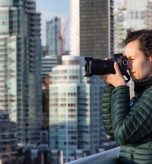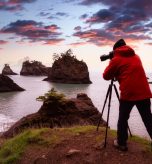

Landscape photography does more than record a location; it tells a story. A mountain range, coastline, or forest becomes meaningful when your photo captures mood, light, and scale. Shooting landscapes creates lasting travel memories because images allow you to relive moments and share experiences with others. Beginners often struggle with framing, timing, and choosing the right equipment, which can lead to flat or uninspiring shots. This guide focuses on practical strategies, from planning to post-processing, so even new photographers can create captivating travel landscapes.
Understanding Landscape Photography Basics
Before pressing the shutter, understand the fundamentals. Light, composition, and perspective are central to capturing compelling landscapes. Observing the environment and waiting for the right moment often produces better results than rushing to shoot. Weather and timing influence atmosphere; fog, clouds, or the golden hour can dramatically alter the mood. Patience and planning are essential. Beginners who learn to anticipate conditions and study their surroundings consistently take stronger, more dynamic photos.
Essential Gear for Travel Landscape Photography
Choosing the Right Camera and Lenses
Selecting the right camera depends on your goals and mobility. Mirrorless cameras are lightweight and versatile, making them ideal for travel. DSLRs deliver excellent image quality but are heavier. High-end smartphones now rival traditional cameras for casual landscapes. Lens choice matters: wide-angle lenses capture sweeping vistas, while telephoto lenses highlight distant details or compress perspective. Portability is key for travel; you don’t want your gear to limit where you can shoot.
Accessories That Improve Landscape Shots
A sturdy tripod stabilizes shots, especially in low light or for long exposures. Filters, like polarizers or ND filters, help control reflections, manage light, and enhance colors. Remote shutters reduce camera shake for sharper images. Extra batteries and memory cards prevent interruptions during trips. Lens cleaning kits and protective gear safeguard your equipment in harsh or remote environments. Small investments in these accessories can significantly improve landscape results.
Planning Your Landscape Shots Before You Travel
Research is essential. Look up iconic viewpoints, hidden gems, and unique angles to prepare. Check sunrise, sunset, and golden hour times for the most flattering light. Understand seasonal changes: snow, autumn leaves, or blooming flora can completely transform a location. Create a flexible shot list, but stay open to spontaneity. Often, the best shots are unplanned, discovered while exploring off the beaten path.
Composition Techniques for Breathtaking Travel Landscapes
Using Foreground, Middleground, and Background
Depth creates impact. Incorporate elements in the foreground, middleground, and background to guide the viewer’s eye and add dimension. Leading lines, like rivers, paths, or fences, create visual flow. Natural frames such as arches, trees, or rocks draw attention to the subject and add context.
Balancing Scale and Perspective
Including humans, animals, or recognizable objects can demonstrate scale. Shooting from higher or lower vantage points creates unique perspectives. Avoid flat compositions by experimenting with angles and layering to make landscapes feel immersive.
Harnessing Natural Light for Stunning Landscapes
Light sets the tone of every photograph. Golden hour produces soft, warm hues, while blue hour adds a tranquil, cool atmosphere. Midday sun can be harsh, but shadows and reflections can enhance drama if used creatively. Always adjust your camera settings to optimize light capture, and consider waiting for changing conditions rather than forcing a shot. Cloudy or overcast days can produce even, diffused light ideal for moody or intimate landscapes.
Shooting Different Types of Landscapes
Each landscape type requires different approaches. Mountains benefit from dramatic angles and depth, while coastlines work well with reflections and long exposure. Forests and deserts offer textures and patterns to explore. Urban landscapes are also a form of landscape photography; paying attention to lines, symmetry, and lighting transforms city scenes. Motion, such as moving water, clouds, or foliage, adds dynamism. Adapting techniques to each geography ensures variety and interest in your portfolio.
Camera Settings Every Travel Landscape Photographer Should Know
Aperture, Shutter Speed, and ISO Tips
Aperture controls depth of field: a smaller f-stop keeps more of the scene in focus. Shutter speed allows creative effects like silky water or blurred clouds. ISO adjusts light sensitivity; keeping it low preserves image quality, while increasing it helps in dim conditions without introducing excessive noise.
Focusing and Exposure Techniques
Manual focus gives precise control, especially in low-contrast scenes. Exposure bracketing captures a range of light levels, helpful for high-dynamic-range landscapes. Avoid blown highlights or deep shadows by checking histograms and adjusting exposure accordingly.
Capturing Dynamic Weather and Light Conditions
Weather can elevate a landscape’s drama. Clouds, fog, or rain add atmosphere and texture. Bright sunlight requires careful handling to prevent harsh shadows. Storms and dramatic skies provide unique opportunities, but safety is paramount. Long exposure can emphasize movement in rain or clouds, producing cinematic effects. Learning to work with varying conditions makes your images stand out.
Post-Processing Tips for Landscape Photography
Editing Essentials
Editing enhances a landscape but should retain realism. Adjust exposure, contrast, and color balance subtly. Correct horizon lines and lens distortions. Enhance textures without overprocessing to maintain a natural appearance.
Creating a Cohesive Visual Style
Consistency is key for portfolios. Apply similar tones and color grading across your images. Presets can help, but avoid uniformity that makes shots look artificial. Developing a personal style ensures your photos are instantly recognizable.
Staying Safe and Respectful While Photographing Landscapes
Know local regulations and restricted areas to avoid legal issues. Respect the environment by avoiding damage to ecosystems or wildlife. Protect gear in extreme climates and always prioritize safety in remote or rugged locations.
Creative Techniques to Make Your Landscapes Stand Out
Reflections in water, shadows, and patterns can add interest. Motion through long exposure brings energy to a scene. Minimalism and negative space create impactful compositions. Panoramas and drone perspectives offer fresh angles, giving viewers a sense of scale and context.
Organizing and Sharing Your Travel Landscape Photos
Back up your images frequently during travel. Categorize by location, theme, or light conditions for easier access. Share responsibly on social media and photography platforms. Building a portfolio allows you to track progress and display your work professionally.
Common Mistakes Beginners Make in Travel Landscape Photography
Ignoring composition rules or horizon lines results in unbalanced photos. Overediting reduces authenticity. Focusing too much on gear over skills hampers creativity. Skipping planning or timing consideration often leads to missed opportunities.
Building Confidence and Personal Style in Landscape Photography
Experiment with angles, lighting, and framing to discover unique approaches. Study professional travel landscape photographers for inspiration. Track progress and set personal challenges. Over time, develop a consistent and recognizable style.
The Future of Travel Landscape Photography
Drones expand perspective possibilities, while smartphone cameras increasingly deliver professional-quality images. AI simplifies post-processing and organization. Trends in immersive and cinematic photography make landscape photography more accessible, even for beginners.
Conclusion
Successful travel landscape photography blends preparation, observation, and creativity. Patience and consistent practice help beginners capture memorable, powerful images. Exploring, experimenting, and learning transform ordinary views into breathtaking landscapes that tell stories for years to come.
FAQs
1. What is the best lens for travel landscapes as a beginner?
A versatile wide-angle lens works for most landscapes, capturing sweeping vistas. Telephoto lenses are optional for compressing distance or isolating details.
2. How important is timing for landscape photography?
Timing is critical. Shooting during golden or blue hour produces soft, dynamic light. Patience can turn ordinary scenes into dramatic, memorable photos.
3. Can smartphones be effective for landscape photography?
Yes, modern smartphones with wide-angle lenses and editing apps can capture stunning landscapes, especially for beginners or travel situations where portability is key.
4. How do I make my landscapes stand out?
Use foreground, middleground, and background to create depth, experiment with reflections and motion, and include human or natural elements for scale and context.
5. Should I edit all my landscape photos?
Editing helps enhance exposure, color, and contrast, but subtlety is essential. Avoid overprocessing; aim to maintain the scene’s natural appearance and authenticity.