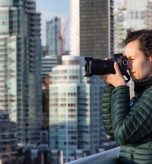

Urban photography opens doors to storytelling through streets, architecture, and city life. Unlike landscapes or nature photography, cities are dynamic, layered, and full of unexpected movement. Beginners often struggle with busy streets, crowded spaces, and complex lighting, which can make capturing clean, compelling shots a challenge. This guide focuses on practical strategies to help beginners navigate urban environments, learn technical skills, and capture sharp, engaging city photos that tell a story.
Understanding the Foundations of City Photography
Success in city photography begins with observation. Light, shadows, and reflections define the mood of urban scenes, while patterns, geometry, and leading lines provide structure to your images. Including human activity adds life and context, showing scale and social interaction. Beginners should cultivate patience, experiment with perspective, and anticipate moments rather than forcing shots. Timing and careful observation transform everyday streets into powerful compositions.
Essential Gear for City Photography
Choosing the Right Camera and Lenses
Selecting the right camera depends on your style and mobility needs. Mirrorless cameras are compact, fast, and versatile, ideal for street photography. DSLRs offer excellent image quality and lens flexibility but are heavier. High-end smartphones now provide advanced optics and computational photography, perfect for beginners or travel photographers. Lens choice is critical: wide-angle lenses capture streets and architecture, while standard lenses work well for candid street shots. Portability and discretion are key in crowded urban areas.
Useful Accessories for Urban Shooting
Lightweight tripods allow long exposures and night shots without blur. Lens hoods reduce flare and protect optics. Cleaning kits and extra batteries prevent interruptions in busy conditions. Carrying a secure bag protects gear while enabling mobility. These simple tools help beginners maintain flexibility and quality in dynamic city environments.
Planning Your Urban Shoots Effectively
Preparation sets the stage for success. Research landmarks, hidden streets, and rooftop viewpoints to identify strong compositions. Check light conditions, including golden hour, blue hour, and artificial city lights at night. Map locations to optimize walking routes and minimize wasted time. Flexible planning is essential; often the most compelling shots arise spontaneously, away from expected angles or tourist-heavy spots.
Composition Techniques for Striking City Photos
Geometry, Lines, and Symmetry
Urban landscapes are full of lines, patterns, and geometric structures. Leading lines guide viewers through your image, while repetitive architectural elements create rhythm. Use doors, windows, or archways to frame your subject and draw attention. Symmetry and balance add structure, and subtle asymmetry can create tension or interest.
Integrating People and Movement
Including pedestrians, vehicles, and public activity adds scale and narrative context. Candid street scenes reveal city life authentically. Motion blur techniques convey energy, showing the hustle and bustle without distracting from the main subject. Timing is key; capturing interactions or fleeting gestures often makes the difference between ordinary and compelling shots.
Working with Light in Urban Environments
Light in cities varies drastically. Natural light illuminates streets differently depending on time and weather. Shadows and reflections on glass, metal, or water add depth and mood. Night photography presents unique opportunities with neon lights, street lamps, and lit skyscrapers. High-contrast situations require careful exposure control to preserve detail. Observing light trends and learning to adapt settings ensures consistent, high-quality images in diverse urban scenarios.
Mastering Different Types of Urban Shots
Each urban subject requires a tailored approach. Skyline and rooftop photography capture the city’s scale, requiring attention to framing and horizon alignment. Street photography thrives on candid moments, lifestyle, and interaction with architectural elements. Public spaces, parks, and markets offer vibrant, colorful shots. Creative framing of alleys, staircases, or unexpected vantage points can reveal unseen perspectives, adding uniqueness to your portfolio.
Camera Settings Every Beginner Should Know
Exposure, Aperture, and Shutter Speed
Aperture controls depth of field: wide apertures isolate subjects, while smaller apertures keep streetscapes sharp. Shutter speed freezes or blurs motion, depending on creative intent. ISO settings balance light sensitivity and image noise; beginners should prioritize low ISO in bright conditions and increase it carefully in low light.
Focusing and White Balance Tips
Autofocus is generally efficient but may struggle in crowded or low-contrast urban environments. Manual focus allows precise control when needed. Maintaining accurate white balance under artificial lighting prevents color casts. Checking histograms ensures highlights and shadows are within acceptable range, especially on reflective surfaces.
Handling Urban Challenges While Shooting
Cities are unpredictable. Crowds, restricted areas, and high-traffic streets can impede composition. Weather—rain, fog, glare—affects visibility and light quality. Security and equipment safety are paramount; always remain aware of surroundings. Patience and adaptability are essential for seizing opportunities as they arise. Early mornings or late evenings can reduce crowds and improve light conditions, offering better shooting scenarios.
Post-Processing Techniques for City Photography
Editing Essentials
Post-processing enhances urban shots without compromising realism. Adjust exposure, contrast, and perspective for cleaner compositions. Highlight architectural details while preserving natural tones. Correct lens distortions and horizon lines to maintain professionalism. Minimal, subtle edits improve the image without making it artificial.
Building a Cohesive Urban Style
Consistency in tone, color grading, and mood creates a recognizable style. Subtle use of presets or filters can unify a series, but over-saturation or heavy-handed editing detracts from authenticity. Developing a personal style ensures that viewers can immediately identify your work in galleries or online.
Creative Approaches to Make City Photos Stand Out
Reflections in puddles, windows, and mirrors create compelling double perspectives. Long exposures depict traffic trails, conveying motion and energy. Minimalism and negative space focus attention on main subjects or patterns. Drone photography or elevated perspectives add novelty, capturing cityscapes from angles often unseen. Experimentation distinguishes ordinary urban photography from memorable storytelling.
Organizing and Sharing Your Urban Photography
Back up images systematically during travel. Label files by location or theme to facilitate future use. Curate collections focusing on streets, architecture, or skylines. Share responsibly on social media, crediting locations and respecting privacy. A beginner-friendly portfolio helps track growth and highlights improvements over time.
Common Mistakes Beginners Make in City Photography
Beginners often neglect composition or perspective, resulting in flat, unengaging images. Overediting can create unrealistic urban tones. Relying too heavily on expensive gear without observing surroundings limits creativity. Skipping planning or avoiding exploration beyond major tourist areas results in missed opportunities for unique shots. Recognizing these pitfalls allows rapid improvement.
Building Confidence and Personal Style in Urban Photography
Experimenting with angles, lighting, and framing cultivates originality. Study professional street and city photographers to understand what makes images compelling. Track your progress and set personal challenges, like capturing a different district each week. Over time, this leads to a consistent, recognizable style, making your urban photography distinct and professional.
Future Trends in City Photography
Drones provide new perspectives for cityscapes and aerial compositions. Smartphones with AI-assisted photography simplify complex exposure and post-processing tasks. Advances in night photography and cinematic urban shots enable beginners to produce professional-quality images. As accessibility improves, more aspiring photographers can experiment creatively without high-end gear.
Conclusion
Urban photography combines technical skill, observation, and creativity. Planning, patience, and flexibility are essential for beginners navigating bustling environments. Every street, plaza, and skyline presents opportunities for storytelling. Consistent practice transforms ordinary city scenes into engaging, memorable photographs. By mastering light, composition, and perspective, beginners can create powerful urban imagery that communicates the essence of a city.